Top Roof Lanterns for Kitchen Extensions
The Emerging Landscape of Home Design Solutions: Next-generation Contemporary Architectural Lights You Want to Experience
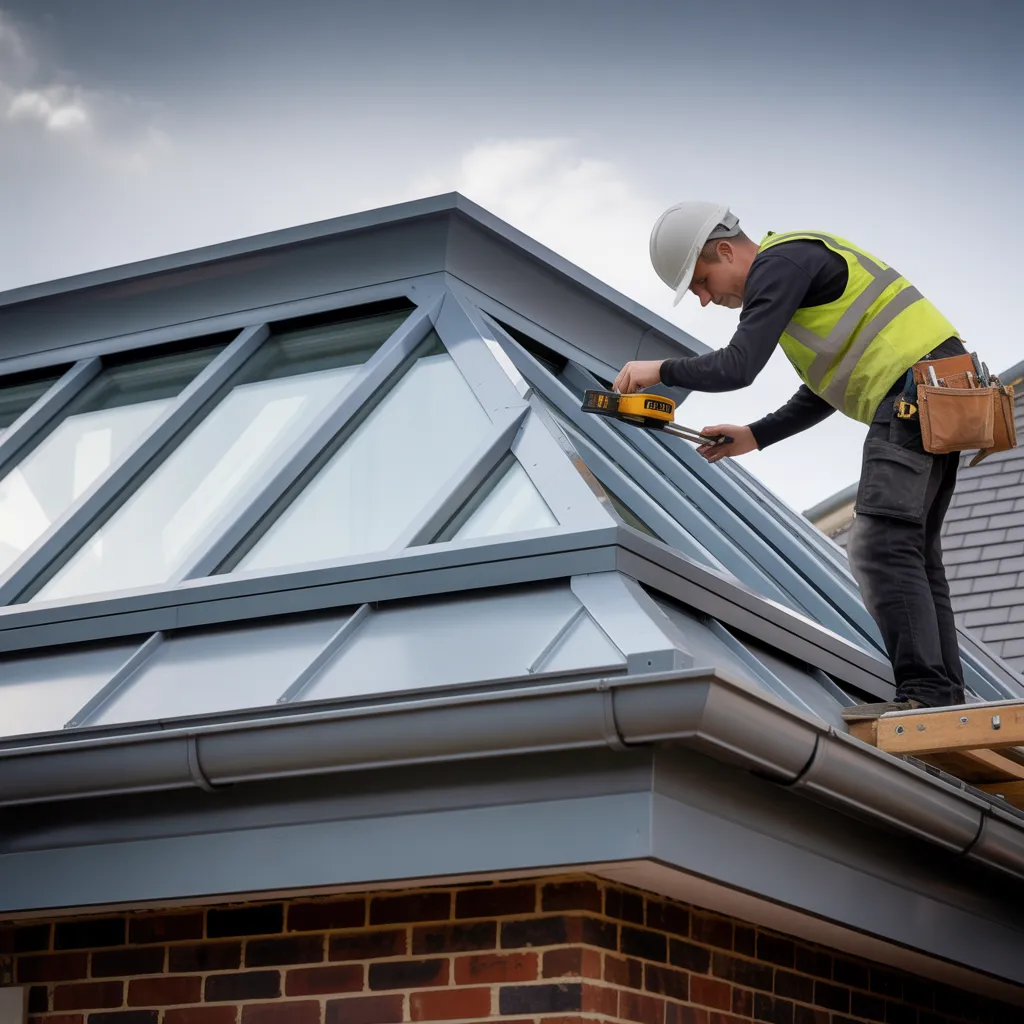
The future of home design is progressively shaped by innovative modern roof lanterns. These architectural features improve natural light and incorporate smart technology for improved climate control. As trends evolve, geometric shapes and sustainable materials come to the forefront, suggesting a shift toward healthier living environments. Understanding the multifaceted benefits and uses of roof lanterns can transform how spaces are employed. What implications do these advancements have for the homes of tomorrow?
The Advantages of Modern Roof Lanterns
Advanced skylights supply multitude of advantages that elevate both the appeal and utility of zones. These architectural features serve as captivating focal points, granting bright light to flood inside, which can create a sense of airiness and warmth. By strengthening sunlight penetration, roof lanterns reduce reliance on artificial lighting, hence promoting fuel efficiency.
In addition, they can increase ventilation when engineered with operable features, supporting a improved indoor environment. The incorporation of excellent components guarantees resilience and low maintenance, making roof lanterns a practical investment.
Complementing their practical strengths, these components can amplify the overall design of a home, adapting harmoniously with various architectural styles. By implementing modern roof lanterns, homeowners can achieve the joint advantages of improved beauty and improved energy performance, making them a popular choice in contemporary design.
Beautiful Design Trends for Roof Lanterns
As homeowners increasingly seek to fuse style with practicality, cutting-edge design movements for roof lanterns are emerging to meet these demands. One notable trend is the use of angular forms, which adds a contemporary flair to traditional designs. These angular structures not only enhance aesthetic appeal but also increase daylight penetration. Additionally, biophilic design elements are becoming increasingly popular, integrating natural materials like wood and stone to create a smooth transition between indoor and outdoor spaces.
Yet another developing pattern is the integration of intelligent systems, facilitating for customizable illumination and climate control, improving both comfort and accessibility and power conservation. Color customization choices are gaining traction, facilitating homeowners to customize their lanterns to match specific décor themes. In conclusion, minimalist designs are experiencing growth, emphasizing streamlined forms and minimalism, which resonate to contemporary preferences while sustaining functionality. Together, these trends are reshaping how roof lanterns are understood and utilized in contemporary residential architecture.
Picking the Most Suitable Roof Lantern for Your House
How can property owners choose the ideal roof lantern that matches their distinctive style and functional needs? First, they should consider the design aesthetic of their home. A modern lantern might suit a modern space, while a more traditional design could improve a classic home. Next, evaluating the purpose is important; whether for daylight, ventilation, or visual enhancement, the chosen lantern should fulfill specific requirements.
Size also plays a critical role. A bigger lantern may create a impressive focal point, whereas a compact one might blend seamlessly into the existing structure. Homeowners should evaluate their local climate, as well, since this can influence material choices and insulation needs. Finally, it's important to keep energy efficiency in mind; opting for double-glazed options can enhance insulation while reducing energy costs. By weighing these factors, homeowners can assuredly choose a roof lantern that improves both form and function in their living space.
Advanced Materials in Roof Lanterns
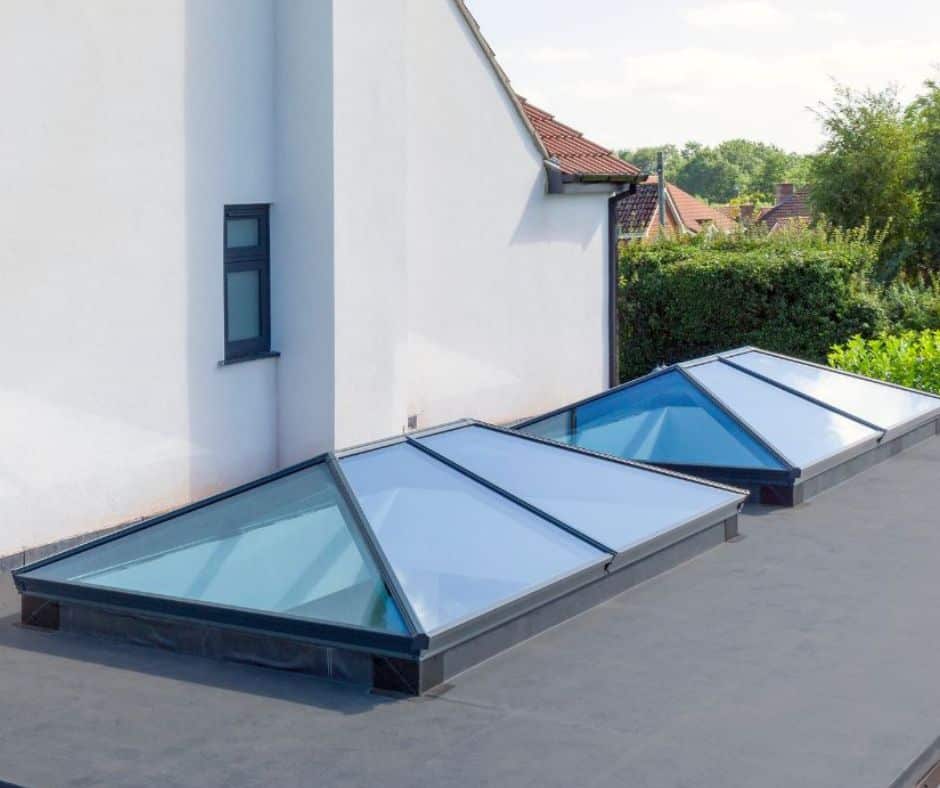
An array of modern materials are transforming the appearance and capability of roof lanterns. Modern roof lanterns increasingly utilize substances such as structural glass, which provides enhanced robustness and lucidity, allowing for optimized natural light. The use of aluminum in frames provides a slender yet sturdy structure, capable of enduring various weather conditions while minimizing maintenance needs. Additionally, polycarbonate panels are gaining popularity due to their impact resistance and energy efficiency, making them a practical option to traditional glass.
Moreover, progress in coatings and finishes, such as self-cleaning or solar-reflective options, are enhancing the durability and efficiency of these setups. These materials not only boost visual attractiveness but also elevate the overall user experience, making sure that roof lanterns are both practical and elegant. As these innovations continue to evolve, they are setting new standards in the domain of home design, particularly in integrating natural light.
Enhancing Energy Efficiency Through Roof Lanterns
Roof lanterns significantly improve fuel economy in modern homes by optimizing natural light and minimizing reliance upon artificial lighting. By letting sunlight to penetrate living spaces, these design elements reduce the need for electric lighting during the day, producing lower energy consumption. The careful positioning of roof lanterns can brighten entire rooms, creating well-lit, charming environments without the associated costs of electrical illumination.
Moreover, many contemporary roof lanterns are designed with high-performance glazing, which helps regulate indoor temperatures by reducing heat loss. This feature contributes to overall reduced energy consumption, as reduced heating or cooling demands can markedly lower utility bills. Additionally, the increased natural light can improve residents' well-being, promoting a healthier living environment. To conclude, roof lanterns serve not only as aesthetic enhancements but also as practical solutions for sustainable performance in modern home design.
Distinctive Uses of Roof Lanterns Throughout Your Home
Natural light improves energy efficiency but also unlocks a world of creative opportunities for home design. Roof lanterns serve as striking architectural features that can transform any space. In living areas, they can establish a bright focal point, enhancing the overall ambiance while allowing for an uninterrupted view of the sky.
In food preparation areas, roof lanterns illuminate brightly workspaces, making them more engaging for family time and culinary creations. They can also be employed in bedrooms, where they create a serene mood, perfect for leisure.
Homeowners can incorporate roof lanterns into exterior areas, such as patios or garden rooms, blurring the line between indoor and outdoor living. Additionally, strategically placing roof lanterns above staircases or hallways can add warmth and depth to otherwise dark areas. Ultimately, the creative application of roof lanterns can redefine how natural light is embraced in modern homes.
Roof Lantern Upkeep Tips
Maintaining roof lanterns is necessary for keeping their aesthetic appeal and usability. Regular washing is vital; homeowners should use a non-abrasive cloth and mild detergent to remove dust and deposits from the glass surfaces. It is advisable to avoid abrasive materials that can scratch the glass. Additionally, inspecting the seals and frames periodically ensures that there are no leaks or structural problems. If any damage is found, prompt repairs can prevent further deterioration.
Moreover, removing debris around the lantern from debris, such as leaves or branches, helps maintain proper drainage and airflow. It is beneficial to inspect for signs of wear on any electrical parts, including lights or wiring. Finally, seasonal maintenance, particularly before winter, can shield the roof lantern from severe weather. Following these tips will keep roof lanterns looking stunning while enhancing their functional benefits.
Common Inquiries Raised
How Much Do Modern Roof Lanterns Usually Price?
Today's roof lanterns normally run between £500 and £2,500, contingent upon size, material, and design complexity. Installation expenditures might also adjust, dictating the complete budget for homeowners assessing this architectural enhancement.
Are window skylights able to be positioned on already existing roofs?
Yes, roof lanterns may be installed on existing roofs, provided the structure can support the extra weight. Professional assessment is recommended to guarantee proper placement and adherence with local construction codes for ideal performance and safety.
What Is the Best Direction for Roof Lanterns?
The ideal direction for roof lanterns is facing toward the south, maximizing sunlight find here exposure throughout the day. This placement improves natural light, boosts energy efficiency, and establishes a warm, inviting atmosphere within the living space underneath.
Do ceiling skylights function properly in various climate conditions?
Roof lanterns are generally appropriate for various climates, though factors such as thermal efficiency, ventilation, and weather resistance are paramount. Correct installation guarantees they excel in both hot and cold environments, augmenting ambient daylight and aesthetics.
How Do Roof Lanterns Impact the Resale Value of Your Home?
Roof lanterns can positively affect home resale value by enhancing natural light and visual appeal. Their current style often engages buyers, conceivably producing higher offers and quicker sales in demanding property markets.